Longnose Gar
-An Ancient Predator
-A Hidden Migration
-A Discovery No One Had Documented… Until Now
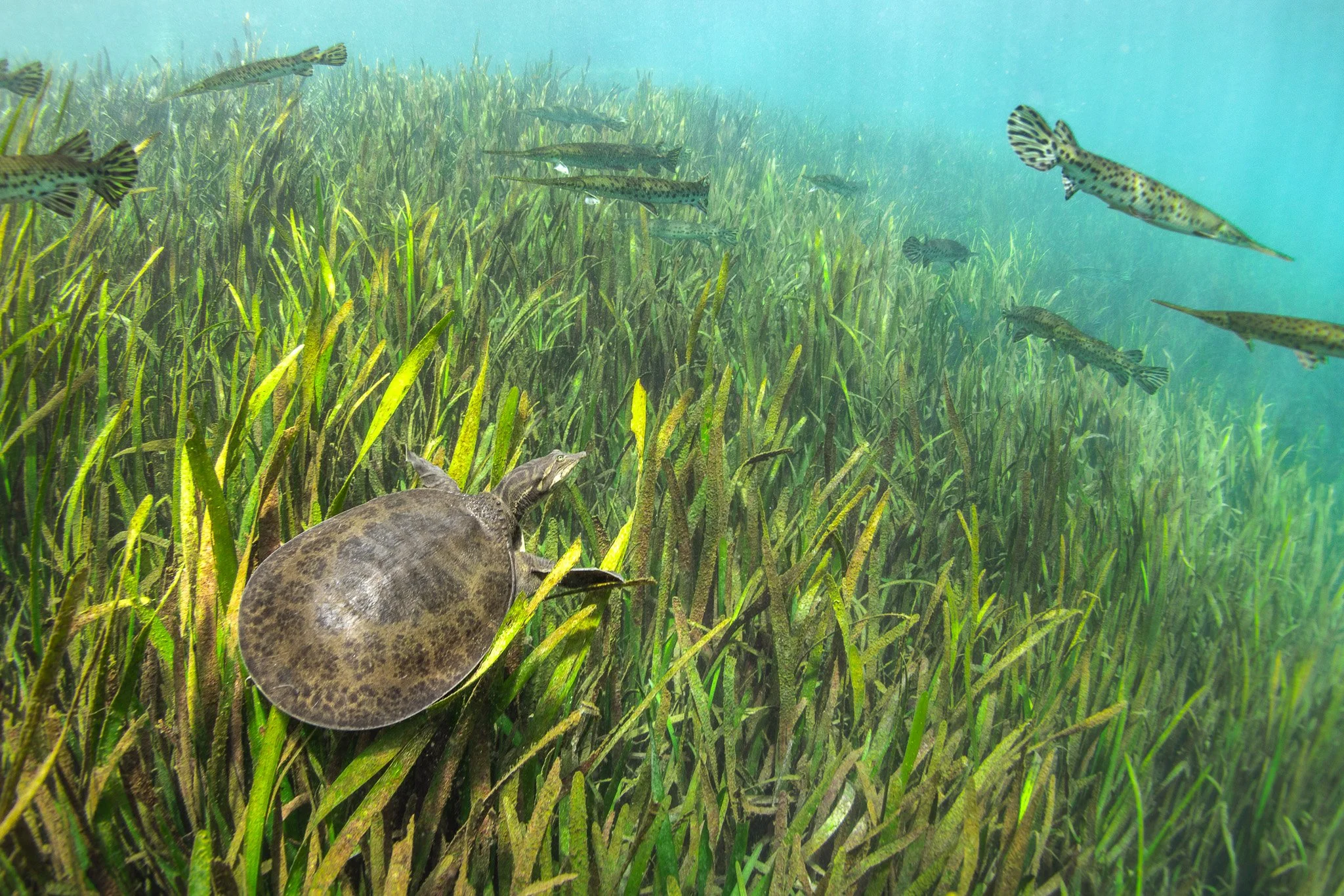
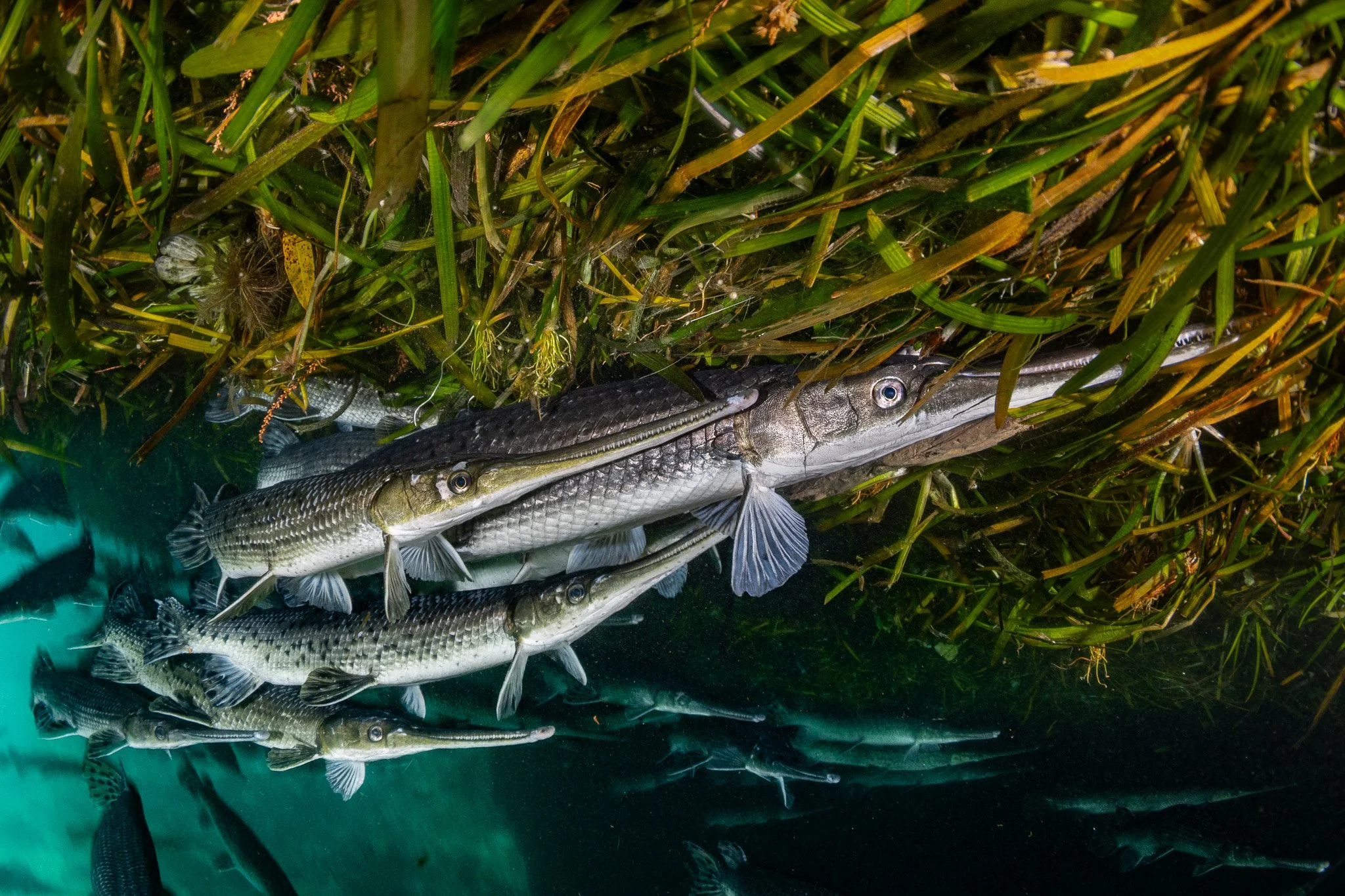
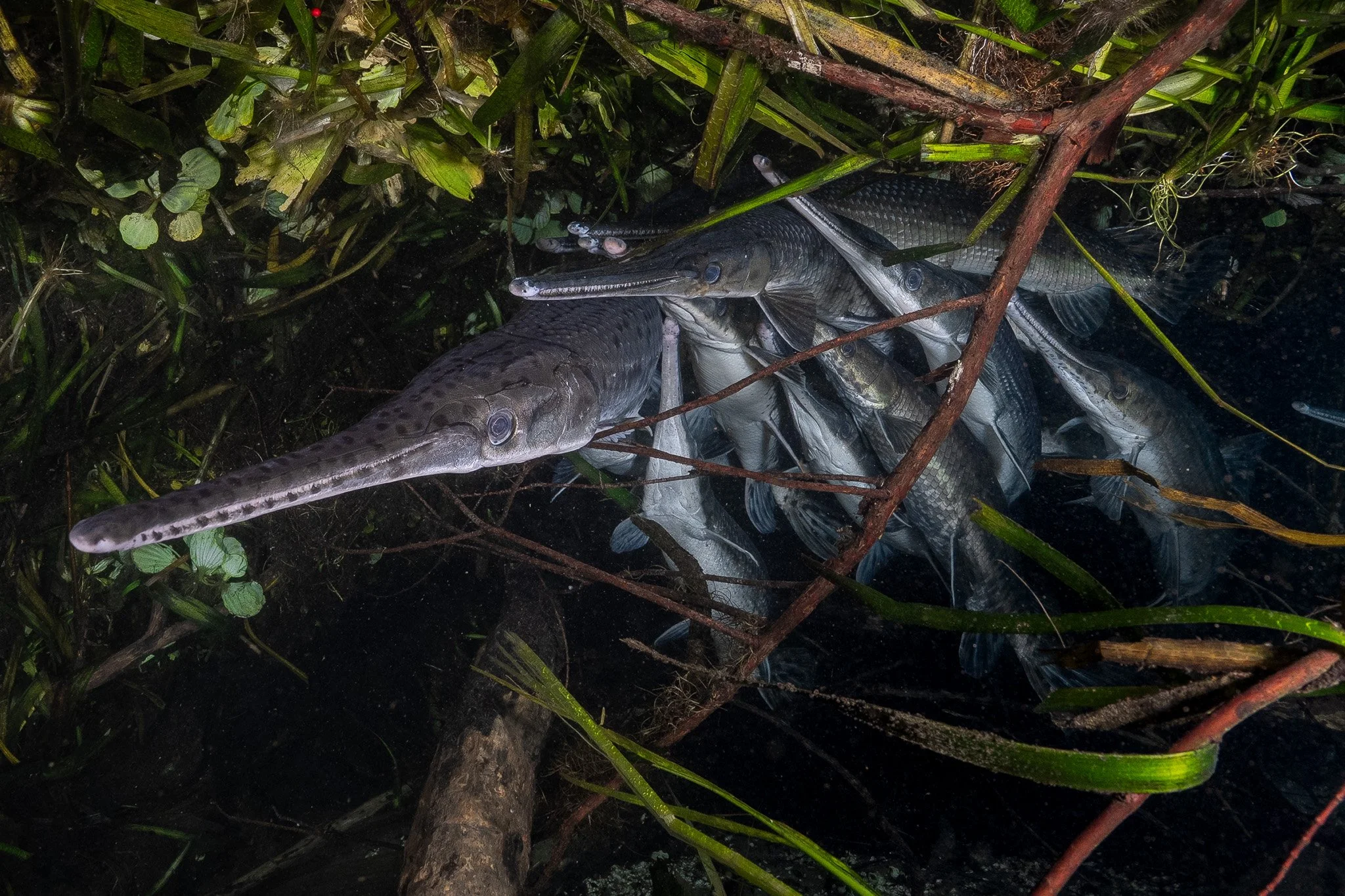
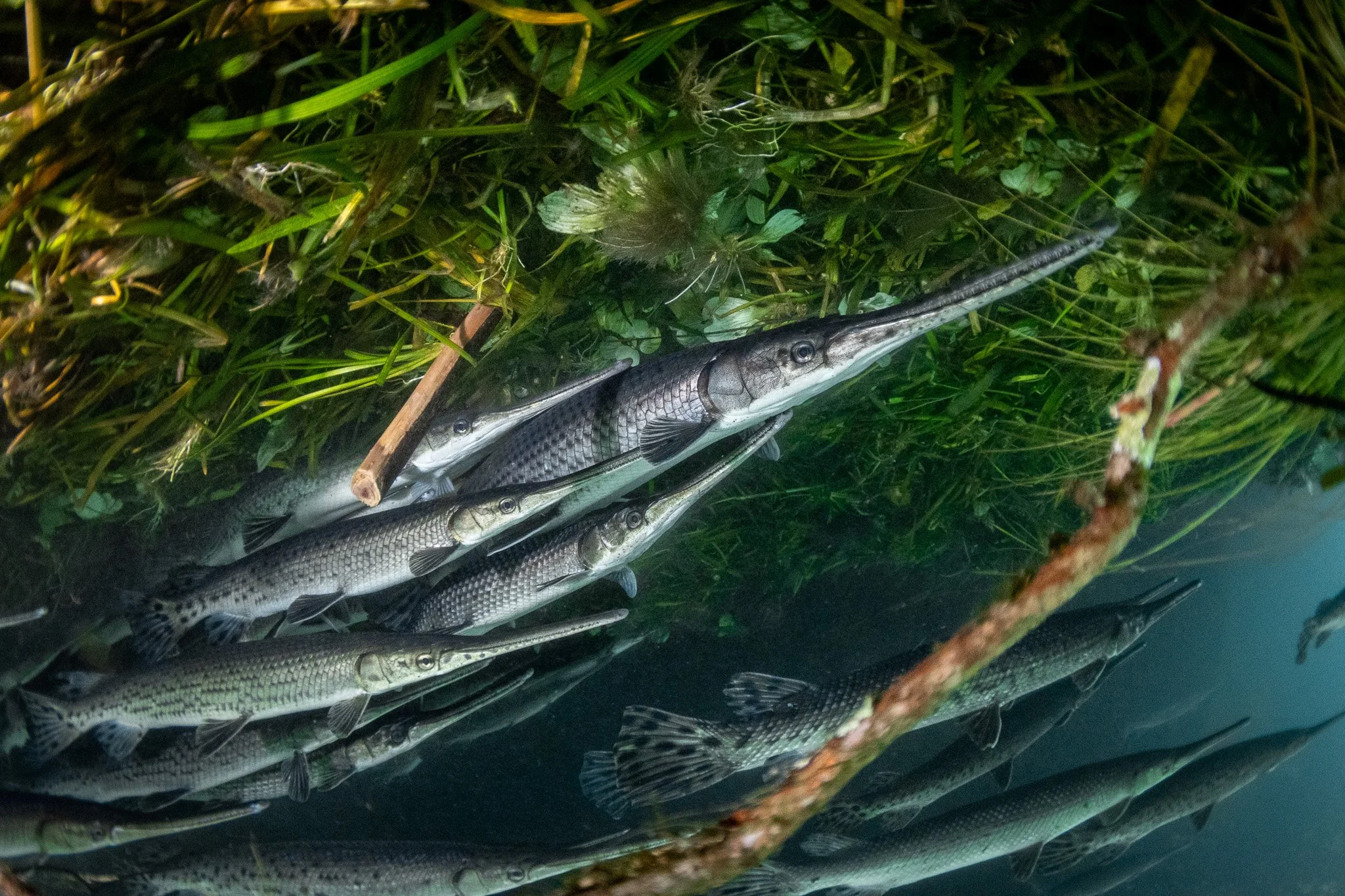
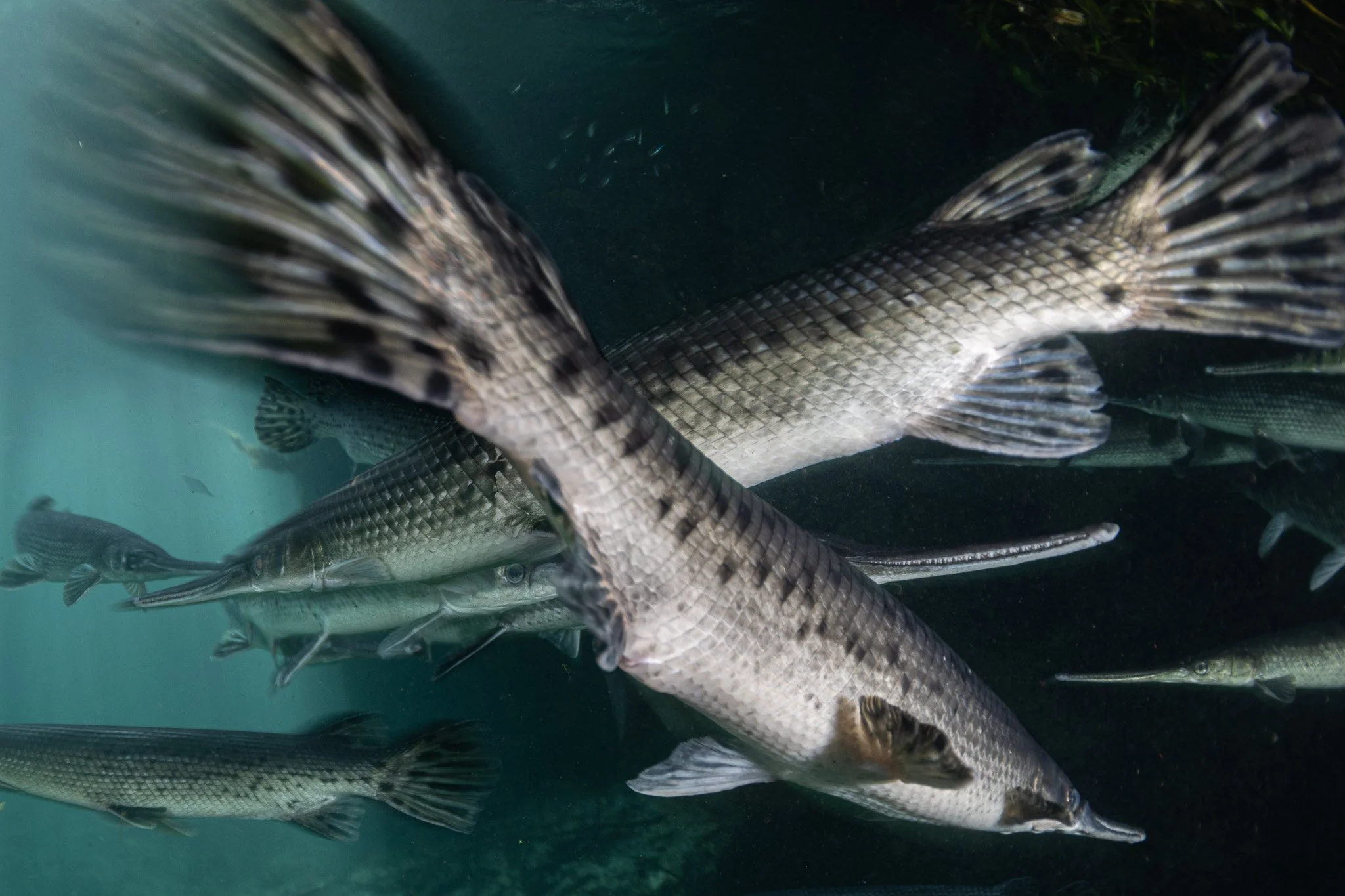
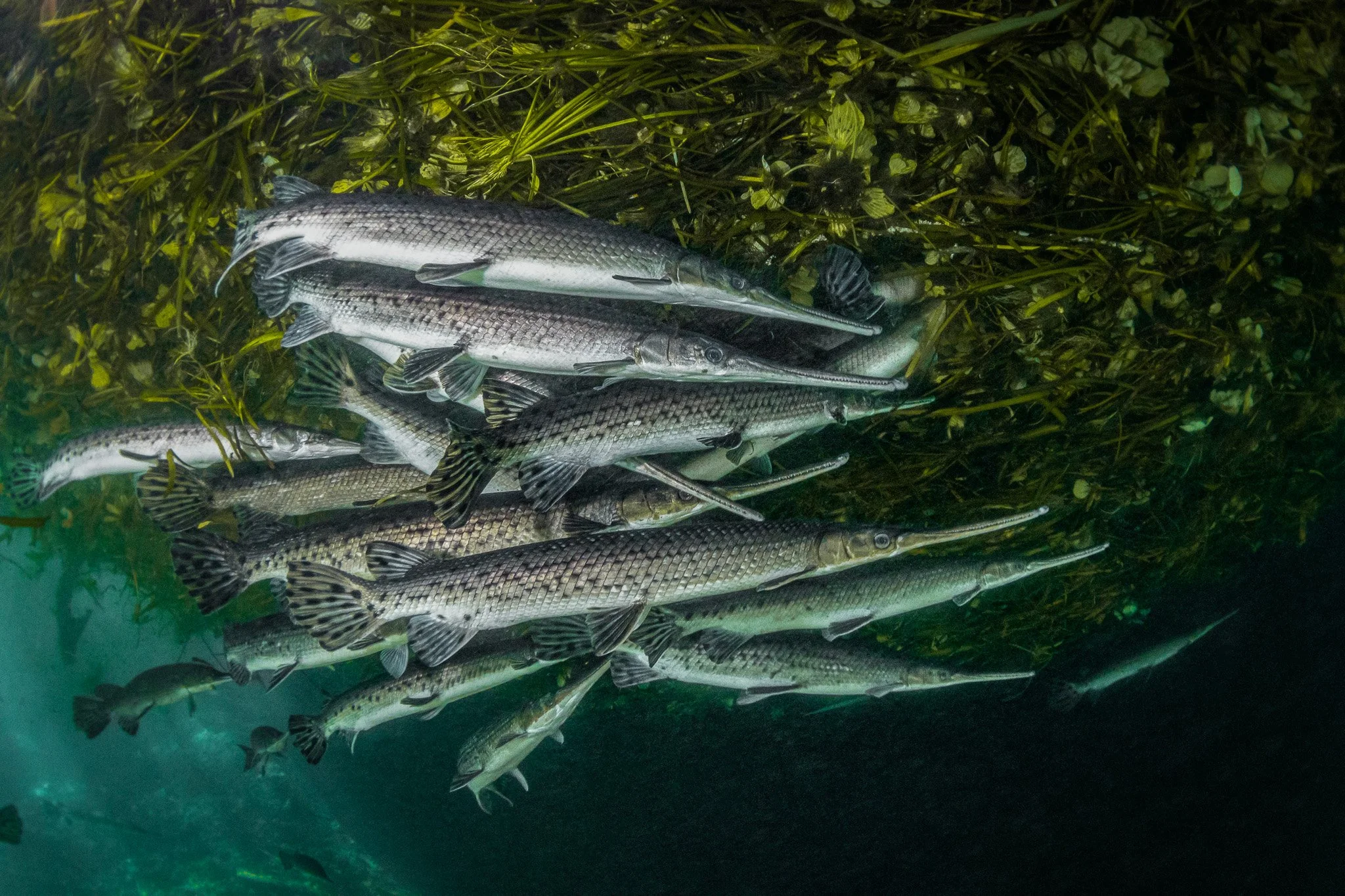
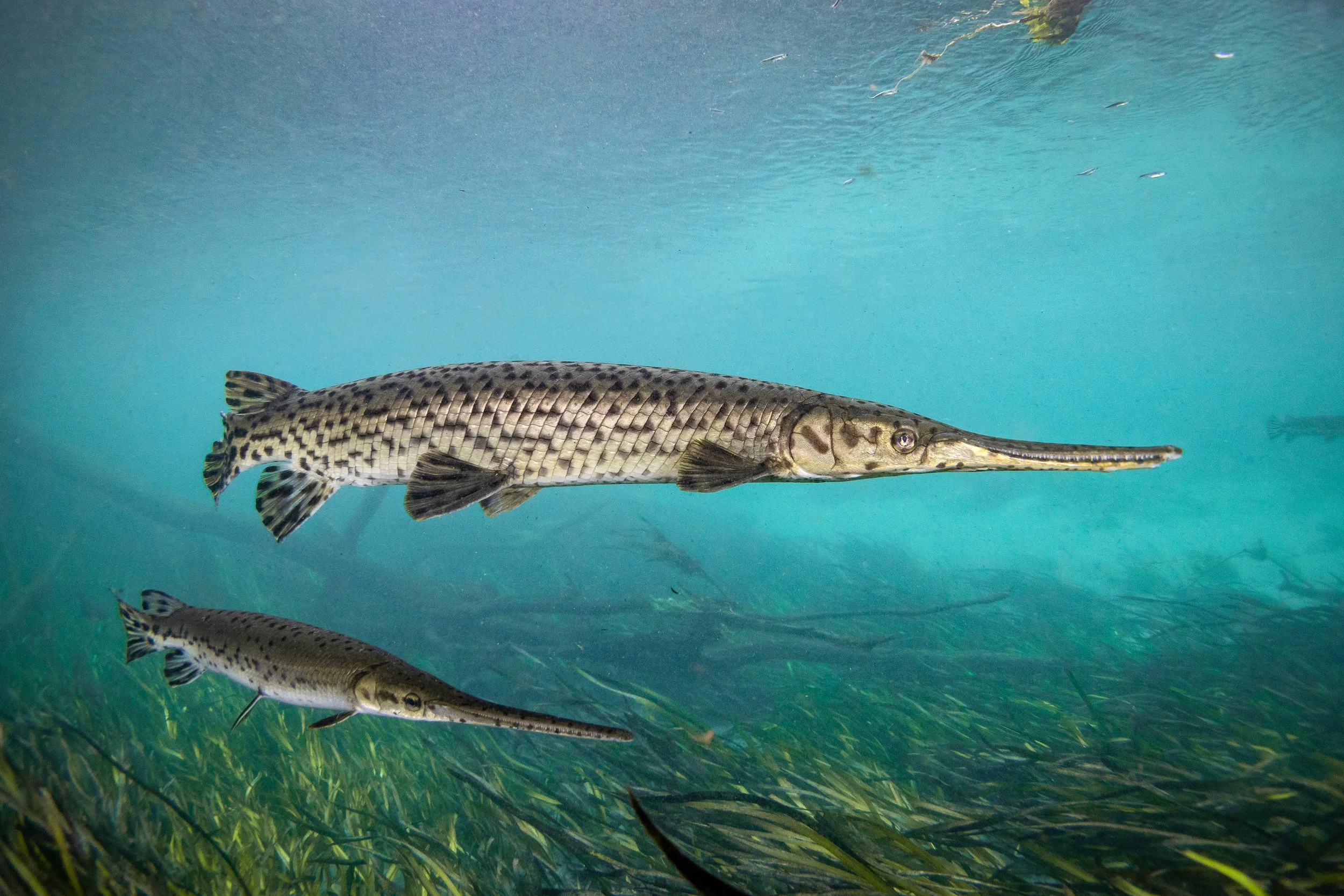
In the clear waters of Ichetucknee River, something spectacular is happening. Longnose Gar, one of the most iconic and least understood fish in Florida, are gathering to spawn.
Recently, I captured what may be the first-ever footage of Longnose Gar spawning within floating vegetation mats. We published these novel observations in the peer-reviewed journal Southeastern Naturalist.
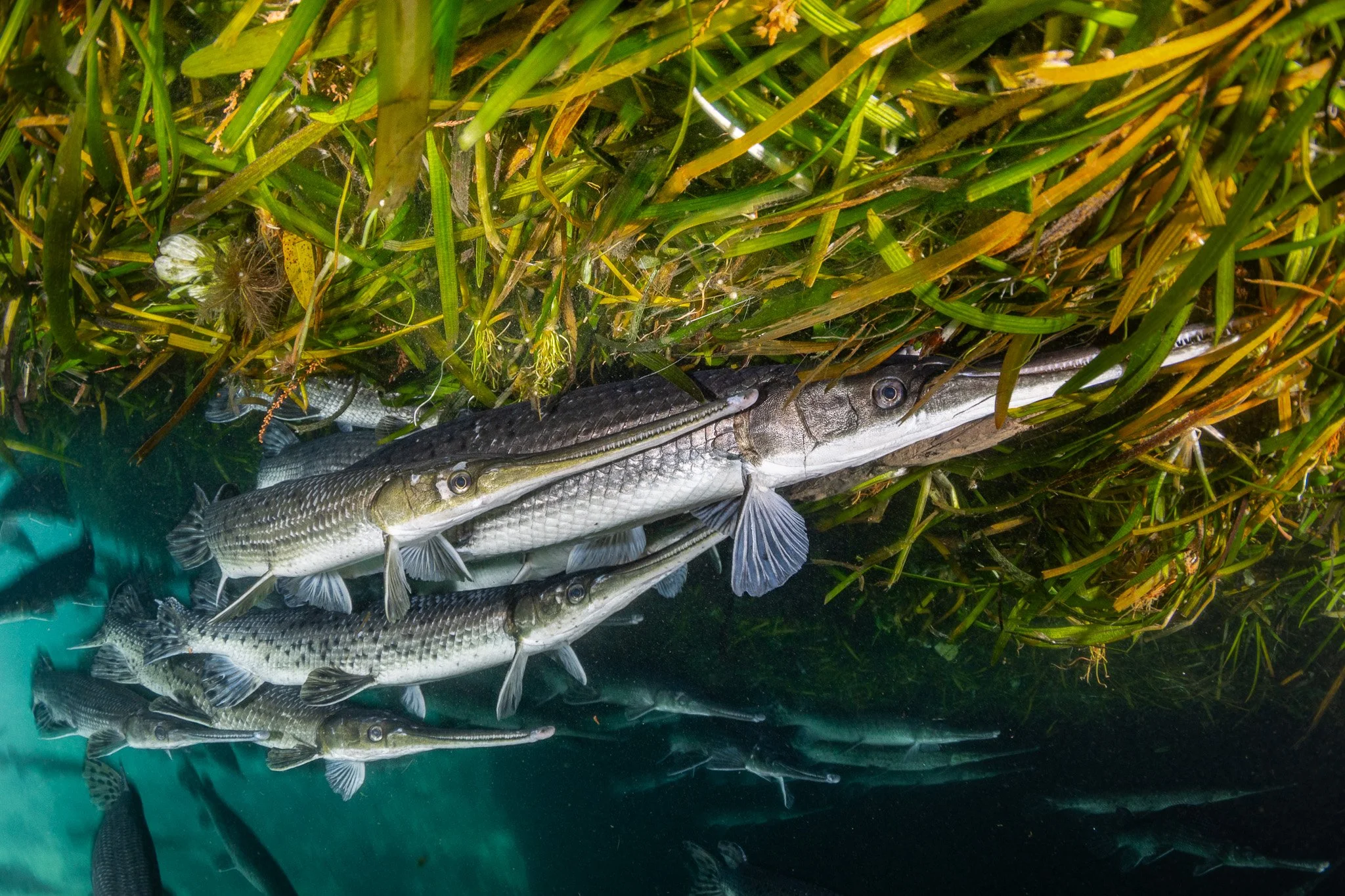
But our discovery has only illuminated more questions…
Where are they coming from?
What triggers them to spawn?
How are they selecting vegetation mats?
How do we protect them?
Watch the Discovery!
Why This Matters
Longnose Gar are:
The largest freshwater fish regularly inhabiting Florida springs
The slowest evolving jawed vertebrates on earth; critical to understanding evolutionary processes
A top predator - principal for maintaining ecological balance
An iconic species of Florida’s waterways
We know Remarkable Little About:
Their movement patterns
Spawning site selection
Habitat requirements
Population size
Environmental triggers for reproduction.
This Research can Protect Them Because:
There are large scale efforts to remove floating vegetation from aquatic systems INCLUDING within Ichetucknee Springs
It increases our understanding of their behaviors and movement patterns which can inform management
They are often considered “trash” fish, this project will highlight their beauty and enigmatic character